

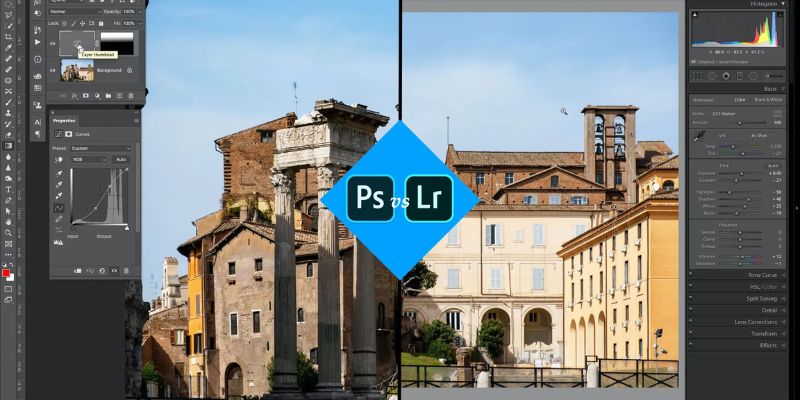
Choosing between Adobe Lightroom and Adobe Photoshop might be challenging, especially if you’re not familiar with picture processing. Despite having different functions, both technologies are strong, extensively utilized, and a part of the same ecosystem. Your editing style, process, and required amount of control will determine which option is best for you. Some photographers concentrate on precise, pixel-level modification, while others value speed and structure. FITA Academy offers specialized Photoshop training programs that help individuals and teams build strong design skills, create visual content, and perform advanced image editing and retouching.
You can save time and get better results if you know how each piece of software works into your creative process. It is more beneficial to think of them as complementing tools rather than rivals. You may confidently choose which one best meets your goals or figure out how to combine the two for optimal effectiveness by being aware of their advantages, disadvantages, and best use cases.
Understanding the Core Differences
The function and purpose of Adobe Lightroom and Adobe Photoshop are the main distinctions between them. Photographers who need to efficiently manage, organize, and edit vast amounts of photographs are the target audience for Lightroom. Because it employs non-destructive editing, changes are saved independently of your original files. Photoshop, on the other hand, is designed for creative design and intricate picture alteration.
It allows you to precisely edit, composite, and transform photographs because it operates at the pixel level. Photoshop is superior at selective editing, layering, and sophisticated effects, whereas Lightroom concentrates on global adjustments like exposure and color correction. Knowing this basic difference enables you to select the appropriate tool depending on whether speed and workflow or creativity and control are more important to you.
Strengths of Lightroom for Photo Editing
For photographers who work with a lot of pictures, Adobe Lightroom is perfect. Managing hundreds of pictures is made simple by its catalog system, which lets you arrange photos using keywords, ratings, and groupings. Batch editing, which allows you to make the identical changes to several photos at once and save time at events or photo shoots, is one of its greatest benefits. Photoshop Classes in Chennai provide practical programs that help individuals develop creative design skills, enhance visual storytelling, and master advanced image editing techniques.
Within a straightforward interface, Lightroom also provides strong features for color correction, exposure tweaks, and lens corrections. It is particularly helpful for novices and experts with short deadlines because of its presets function, which allows for rapid improvements. You can always go back to the original image because it employs non-destructive editing. Lightroom is a preferred option for photographers that prioritize productivity because of its speed, efficiency, and structure.
Strengths of Photoshop for Advanced Editing
Adobe Photoshop is notable for its creative flexibility and sophisticated editing features. It gives users exact control over every component in an image by enabling them to work with layers, masks, and selections. For jobs like retouching portraits, eliminating extraneous items, and making intricate compositions, Photoshop is the recommended program. It is also utilized by designers for branding, graphics, and digital art. Photoshop allows pixel-level editing, so you may change even the slightest elements, unlike Lightroom.
It is quite adaptable because to tools like the healing brush, clone stamp, and sophisticated selection options. But there is a steeper learning curve associated with this power. Photoshop is a better option for individuals who require total creative control and the capacity to alter photos beyond simple tweaks.
When to Use Lightroom vs. Photoshop
Depending on your particular assignment, you can choose between using Adobe Lightroom and Adobe Photoshop. Large photo collections, like those from weddings, trips, or events, are ideal for organizing and editing with Lightroom. It enables you to easily improve photos and keep your collection’s appearance consistent. For intricate tasks like skin retouching, composite creation, and advertising material design, Photoshop is more appropriate. The Photoshop Training Institute in Chennai focuses on practical, project-oriented preparation to help learners gain expertise in image editing, create visual designs, and handle real-world creative projects.
Professionals frequently use Lightroom for preliminary alterations before moving on to Photoshop for more complex ones. Efficiency and accuracy are guaranteed by this combination. You may improve both speed and quality by selecting the best tool for each step of your workflow by knowing its strengths.
Ease of Use and Learning Curve
For novices, Adobe Lightroom is an excellent place to start because it is often simpler to understand. Its simple layout, which concentrates on the most important editing tools, makes it easy for users to comprehend how changes impact photographs. Photoshop, on the other hand, offers a more sophisticated interface with a large number of tools and functions. Although this gives it great power, beginning users may find it overwhelming.
It takes time, practice, and frequently guided lessons to learn Photoshop. But once you get the hang of it, the creative possibilities are unparalleled. Lightroom could seem more approachable if you’re just getting started, but Photoshop becomes useful as your editing demands and ability level increase. Making decisions based on your present level of proficiency can facilitate and improve the learning process.
Integrating Both Tools into Your Workflow
Many pros utilize both Adobe Lightroom and Adobe Photoshop in tandem rather than choosing one over the other. Photoshop is used for intricate improvements, whereas Lightroom is the starting point for organizing and performing simple alterations. We should also know the AI features of photoshop to upgrade your skills. With a few clicks, you may transfer photos from Lightroom to Photoshop thanks to the smooth interaction between the two programs.
This method blends Photoshop’s accuracy with Lightroom’s quickness. For instance, you can use Lightroom to modify color and exposure before using Photoshop for compositing or retouching. This strategy maintains high-quality outcomes while optimizing efficiency. You may develop an editing process that is more adaptable and potent by utilizing the advantages of both tools.
Tips for Making the Right Choice
The final decision between Adobe Lightroom and Adobe Photoshop is based on your objectives. Lightroom is the superior choice if you value organization, efficiency, and batch editing. Photoshop is the best option if you require sophisticated editing and creative control. It could be advantageous for beginners to start using Lightroom and progressively study Photoshop as their abilities advance. For a comprehensive process, professionals frequently integrate both products.
Take into account your expertise level, the kinds of projects you work on, and the amount of time you have available for learning. You can determine which tool best suits your style by testing both. You can improve your editing efficiency and get better results by matching your decision with your demands.
Finding the Perfect Balance
When deciding between Adobe Lightroom and Adobe Photoshop, there isn’t a single solution that works for everyone. Every tool is made for a different function and has its own advantages. Photoshop provides unparalleled creative control, whereas Lightroom shines in speed and organization. Think about how they might enhance each other in your workflow rather than seeing them as alternatives.
You may create a process that fits your aims and style by learning about their differences and experimenting with both. The correct set of tools may improve your editing process and enable you to create visually great video, regardless of your level of experience.