

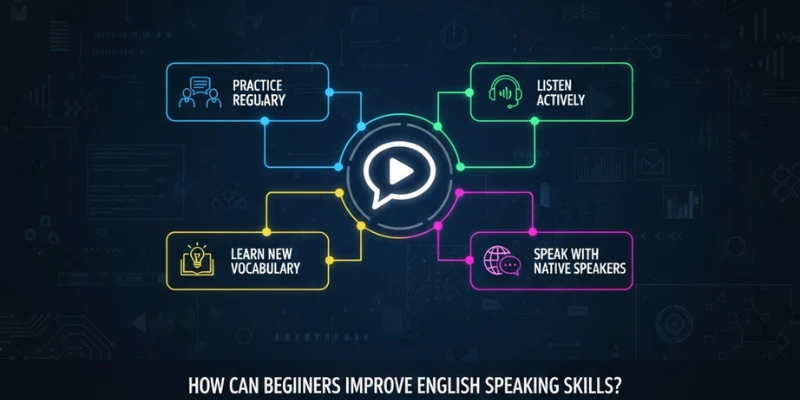
Speaking English confidently is not about sounding perfect. It’s about being understood and feeling comfortable expressing your thoughts. Many beginners struggle not because they don’t know words, but because they feel nervous, judged, or unsure how to practice properly. I’ve seen people improve just by changing how they practice, not how much they study. When learners start treating speaking as a daily habit instead of a classroom task, real change happens. Some who explore Spoken English Classes Erode often realize that confidence grows faster when practice feels natural rather than forced.
Start thinking in English, not translating
One of the biggest problems beginners face is translating from their mother tongue before speaking. This slows everything down and increases the fear of mistakes. Try simple habits like naming objects around you in English or forming small sentences in your head. You don’t need full grammar at first. Even broken sentences help your brain shift patterns. Over time, your mind stops searching for translations and starts forming direct English thoughts, which makes speaking feel smoother and more natural.
Talk to yourself without fear
This sounds funny, but it works. Talking to yourself builds fluency without pressure. Describe what you’re doing, talk about your day, or explain your plans out loud. No one is judging, no one is correcting. This builds muscle memory for speech. Your mouth and brain start syncing better. Confidence grows quietly. Many fluent speakers built their skills this way before ever speaking to others. It removes fear before real conversations even begin.
Listen more than you speak
Good speaking comes from good listening. Watch English videos, interviews, podcasts, or simple conversations. Focus on how sentences flow, not just words. Pay attention to tone, pauses, and natural expressions. This helps your brain mimic real speaking patterns rather than textbook lines. When beginners combine listening with speaking practice, their progress becomes faster and more natural. Some learners preparing for exams like IELTS Coaching in Erode notice that listening exposure directly improves their speaking confidence too.
Practice simple conversations daily
You don’t need big topics. Talk about food, work, hobbies, weather, and daily routines. Simple conversations build fluency faster than complex topics. Speak with friends, classmates, or even online partners. The goal is comfort, not perfection. Mistakes are part of learning. Fluency comes from repetition, not grammar rules alone. Regular small conversations are more powerful than long study sessions without speaking.
Learn phrases, not just words
Beginners often learn single words, but real speaking uses phrases. Instead of learning “happy,” learn “I feel happy today.” Instead of “problem,” learn “I have a small problem.” Phrases help your brain form sentences faster. This reduces hesitation while speaking. Over time, your speech becomes smoother and more natural. This method builds real-world speaking ability, not just vocabulary knowledge.
Build confidence through small wins
Confidence grows through small successes. Speak one sentence today, two tomorrow. Answer one question in English. Make one phone call. Each small action reduces fear. Confidence doesn’t come from knowing everything, it comes from doing things repeatedly. In many growing cities, people joining Spoken English Classes in Trichy focus more on daily speaking habits than memorizing grammar rules, because confidence matters more in real job interviews and workplace communication.
Use mistakes as learning tools
Fear of mistakes blocks progress. Every fluent speaker once made thousands of mistakes. The difference is that they kept speaking. When you make a mistake, notice it, correct it, and move on. Don’t stop talking. Silence slows growth more than errors ever will. Speaking is a skill, not a test. Treat it like learning to ride a bike, you fall, you balance, you move forward.
Improving English speaking is not about speed, perfection, or sounding like a native speaker. It’s about consistency, courage, and practice. When beginners focus on daily habits instead of pressure, growth feels natural. English becomes a tool, not a fear. Over time, this confidence changes how people perform in interviews, workplaces, and social spaces. When speaking becomes part of daily life, career opportunities naturally expand, especially for learners who later set structured communication goals alongside paths like IELTS Coaching in Trichy for long-term growth.
Also Check: Importance Of Spoken English Classes