

Several file formats, each with a distinct function, are frequently used in contemporary design workflows. SVG, or Scalable Vector Graphics, is one of the most widely used vector formats. SVG files are preferred by designers because they are perfect for web graphics, logos, and user interface elements since they can scale to any size without sacrificing quality. However, for sophisticated picture manipulation, effects, and compositing, many designers also rely on potent editing programs like Adobe Photoshop.
Designers may need to convert SVG files into a format that Photoshop can use because Photoshop mostly works with raster-based files like PSD. Through this method, they can include vector graphics with other design elements, alter layers, and add filters. The Photoshop training at FITA Academy teaches graphic design, photo editing, digital illustration, and creative visual techniques using Adobe Photoshop. Knowing how to convert SVG files correctly guarantees that the final design will remain flexible and of high quality. This tutorial will cover useful techniques, resources, and best practices for converting SVG files into Photoshop-compatible formats.
Understanding the Difference Between SVG and Photoshop Formats
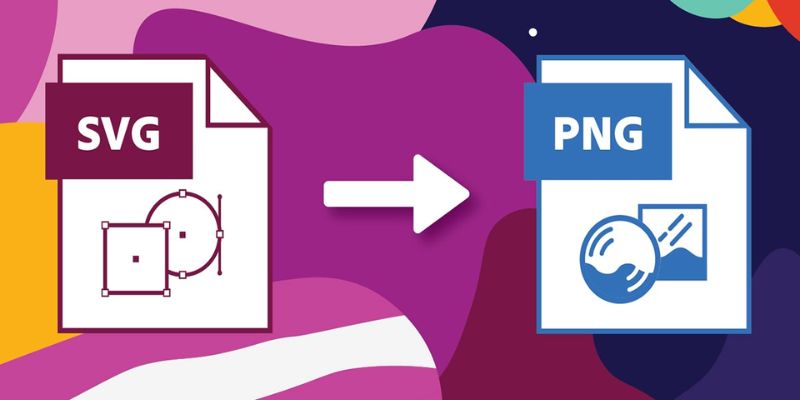
It’s critical to comprehend the distinction between Photoshop and SVG file formats prior to file conversion. SVG is a vector format that represents visuals using mathematical shapes and paths. As a result, the image can scale indefinitely without losing its clarity. Photoshop, on the other hand, works mainly with raster images, which are composed of pixels. A vector graphic becomes dependent on resolution when it is transformed into a raster format. This implies that if an image is resized incorrectly, its quality may suffer.
Layers, effects, masks, and sophisticated editing features are all supported by Adobe Photoshop’s original PSD file format. When integrating vector elements with raster images, such photos or textures, designers frequently convert SVG files to PSD. Designers can select the appropriate resolution and conversion settings by being aware of these variations. They can maintain the graphic’s visual quality and make sure it’s still appropriate for their design project by doing this.
Why Designers Convert SVG Files for Photoshop Editing
Designers transform SVG files into Adobe Photoshop-compatible formats for a number of reasons. Photoshop includes sophisticated features that are sometimes unavailable in vector-based applications, even if vector tools are great for producing scalable visuals. Complex effects that perform better in a raster context, such shadows, textures, gradients, or picture manipulations, are frequently applied by designers. For instance, an SVG logo might need to be included into a Photoshop-created social media banner or advertising poster. The Photoshop Course in Chennai teaches creative design, photo editing, and digital graphics using powerful tools available in Adobe Photoshop.
Bizreviews
By converting the SVG file, designers can incorporate it into their PSD project and make graphic improvements without having to transfer between other tools. Photoshop also enables designers to integrate vector elements with digital painting, typography, and photography. Conversion is a crucial stage in many creative workflows because of its versatility. Designers can take advantage of Photoshop’s strong editing features and vector precision by correctly converting SVG files.
Opening SVG Files Directly in Photoshop
Opening an SVG file directly in Adobe Photoshop is one of the simplest ways to convert it. SVG imports are supported by current versions of Photoshop, enabling designers to see the file as a rasterized image. Just open Photoshop, choose “Open,” and pick the SVG file from your computer to accomplish this. Before converting the vector drawing into pixels, Photoshop will automatically ask you to select the required quality and picture size. Maintaining image quality during editing requires choosing a high resolution.
Photoshop transforms the vector shapes into a raster image that may be altered using its features and capabilities once the file is opened. In order to maintain layers and editing options, designers can then save the work as a PSD. Although this technique is simple, it’s crucial to remember that after rasterization, the vector attributes are lost, therefore scaling the image afterward could have an impact on its quality.
Using Illustrator to Convert SVG Files for Photoshop
Using Adobe Illustrator before importing the image into Adobe Photoshop is another efficient way to convert SVG files. Illustrator is a vector-based design program that offers greater control over the conversion process and integrates easily with SVG files. Before exporting the SVG file to Photoshop, designers can alter paths, colors, or layers in Illustrator. Photoshop Training with Placement at a B School in Chennai can significantly boost your career by helping you master creative design, photo editing, and digital graphics using Adobe Photoshop. When the design is complete, layers and transparency can be preserved by exporting the file as a PSD file.
When altering an SVG with several elements that must stay apart, this technique is really helpful. Before rasterizing a graphic for Photoshop, Illustrator enables designers to properly prepare it. Consequently, the final file keeps greater flexibility and the conversion process becomes more seamless. Because it combines the advantages of vector editing with Photoshop’s potent raster capabilities, this method is preferred by many professional designers.
Converting SVG Files with Open-Source Tools
Open-source technologies can still be used by designers without access to commercial software to transform SVG files. One well-liked choice is Inkscape, a free vector graphics editor with native support for SVG files. SVG graphics in several Photoshop-compatible formats can be opened, edited, and exported using Inkscape. Designers can export the graphic as a PNG or other raster file with a chosen resolution after modifying it in Inkscape.
Adobe Photoshop can then be used to import the output file for additional editing and improvement. Inkscape is a strong substitute for vector design work since it also allows for layer management and route modification. Students, independent contractors, and designers with tight budgets will find this method particularly helpful. Without completely depending on pricey software programs, users can produce professional-quality outputs by combining Photoshop with open-source tools.
Maintaining Image Quality During Conversion
One of the most crucial aspects of converting SVG files for usage in Adobe Photoshop is maintaining image quality. SVG files may stretch endlessly without losing their clarity because they are vector-based. However, the visual becomes reliant on resolution once it is transformed into a raster format. During the conversion process, designers should use a high resolution to prevent quality loss. We should also know about the features of Photoshop. For digital and print projects, for instance, exporting the image in 300 DPI guarantees that it stays sharp.
Before converting an image, it is also crucial to take its ultimate size into account. The rasterized file should be the right size from the start if the design will be used for a huge banner or poster. Another helpful suggestion is to save the original SVG file separately so that changes can be made in the future without having to go through the entire design process again. Throughout their workflow, these techniques assist designers in maintaining graphics of a high caliber.
Solving Common Problems During SVG Conversion
When converting SVG files for usage in Adobe Photoshop, designers may run into a number of problems. Missing fonts or unsupported effects that might not transfer properly throughout the converting process are frequent issues. It is advised to turn text elements into outlines prior to exporting the SVG file in order to prevent this problem. Gradients or filters that might render differently when rasterized present another difficulty. In some situations, modifying the image in vector software prior to conversion can aid in maintaining the desired look.
Furthermore, importing complicated SVG files with many of layers or effects into Photoshop may cause them to become flattened. The conversion procedure can go more smoothly if the design is simplified and layers are arranged beforehand. Additionally, designers should check color settings to make sure the final image uses the appropriate color profile for print or the web. Designers can produce consistent results and prevent needless changes by addressing these typical issues early on.
Final Report
For contemporary designers who use a variety of design platforms, the ability to convert SVG files into Photoshop-compatible formats is crucial. SVG files are quite precise and scalable, but programs like Adobe Photoshop offer sophisticated editing features that improve artistic endeavors. Designers can select the optimal conversion technique for their requirements by comprehending the distinctions between vector and raster formats.
There are a number of efficient methods available, including opening SVG files directly in Photoshop, utilizing vector tools like Adobe Illustrator, or depending on open-source programs like Inkscape. Maintaining excellent quality and flexibility in the final design is ensured by paying attention to resolution, layer organization, and file preparation. Designers may simply incorporate SVG graphics into Photoshop projects and produce eye-catching designs for print and digital media with the appropriate methods and resources.