

Change is a constant in Agile environments, and resistance frequently follows. One of your most crucial duties as a Scrum Master is to lead teams through changes while maintaining high levels of cooperation and productivity. However, because of a lack of knowledge, a fear of change, or bad experiences in the past, developers, stakeholders, or even management may show opposition.
Instead of viewing resistance as a barrier, effective Scrum Masters see it as an opportunity to improve communication, build trust, and strengthen team dynamics. Unlike rigid workflows, Scrum allows teams to adapt and optimize every stage of development. FITA Academy provides comprehensive Scrum Master training. By addressing concerns with empathy and clarity, you can transform resistance into alignment and progress. This blog explores practical strategies to help Scrum Masters overcome resistance, foster a positive Agile culture, and ensure smooth adoption of Scrum practices in real-world scenarios.
Understanding the Role of a Scrum Master
Removing barriers, mentoring team members, and making sure Scrum procedures are properly followed are all part of your job. Scrum Masters, in contrast to traditional management, provide the team the freedom to self-organize and make choices. Resistance may occasionally result from this change of power, particularly among groups accustomed to hierarchical institutions.
You can overcome these obstacles with confidence if you have a clear understanding of your function. You serve as a liaison between the group and interested parties, guaranteeing openness and coordination. Reduce resistance by emphasizing teamwork, ongoing development, and well-being. Team members are more inclined to adopt Agile techniques when they perceive you as a helpful mentor rather than an enforcer.
Identifying Common Sources of Resistance
Finding the causes of resistance in Agile teams is the first step in finding solutions. Fear of the unknown is a prevalent concern; team members may worry about how new procedures will impact their job security or performance. Lack of knowledge, where people are not completely aware of Agile principles or the advantages of Scrum, is another factor. Organizational culture may be important, particularly for businesses moving away from traditional project management techniques.
Furthermore, distrust may arise from prior bad experiences with Agile deployments. Scrum’s increased accountability and openness may cause some team members to rebel. Scrum Master Certification in Chennai offers practical, industry-oriented instruction that helps learners master Agile methodologies, sprint planning, team collaboration, and project delivery. Identify the underlying causes of resistance by paying close attention to team behavior and actively listening. Instead of using a one-size-fits-all solution, you can modify your strategy to meet certain issues once they have been recognized.
Building Trust and Collaboration
Any effective Agile team is built on trust. Resistance is likely to continue in the absence of it. Being open, dependable, and personable as a Scrum Master will help you gain people’s trust. Promote free communication so that team members may voice their worries without worrying about being judged. Organize team-building exercises and retrospectives to enhance cooperation and fortify bonds.
Acknowledge and value each person’s contributions to increase motivation and morale. Team members are more open to change when they have faith in their Scrum Master and one another. Another important factor in lowering resistance is cooperation. Encourage interdisciplinary collaboration and guarantee that all parties participate in decision-making. Establishing an inclusive workplace makes team members feel appreciated and included, which inevitably lowers resistance and promotes a sense of ownership.
Effective Communication Techniques
Bizreviews
Overcoming resistance requires effective and transparent communication. It is your responsibility as a Scrum Master to make sure that information is communicated in a way that is clear and pertinent to your audience. When explaining Agile concepts, use basic language and steer clear of technical terms that could mislead team members. It’s equally crucial to actively listen; pay attention to issues and give insightful answers. A B School in Chennai can significantly boost your Scrum Master career by enhancing your Agile knowledge, leadership skills, sprint management techniques, and team collaboration effectiveness. Instead of giving one-sided directions, promote two-way communication.Charts and whiteboards are examples of visual tools that can help make difficult concepts easier to understand. Frequent gatherings, such as sprint reviews and daily stand-ups, offer chances to resolve issues and coordinate expectations. Because every team member may react differently, adjust your communication method to fit each individual. Lessen miscommunication and increase trust in Agile methods by keeping lines of communication open and honest.
Coaching and Mentoring the Team
A Scrum Master’s primary duty is coaching, particularly when handling resistance. Lead your team through the process of learning rather than imposing change. Assist them in comprehending the “why” of Agile approaches and how they improve their work. During retrospectives, give ongoing feedback and promote introspection. Mentoring entails helping people advance their abilities and adjust to new working practices.
Use success stories and real-world examples to illustrate Scrum’s efficacy. Be patient and give your teammates time to get used to it. To generate momentum and promote healthy behavior, acknowledge little victories. By adopting a coaching mindset, you enable your team to go past their own obstacles and boost their self-confidence.
Using Tools and Frameworks to Manage Resistance
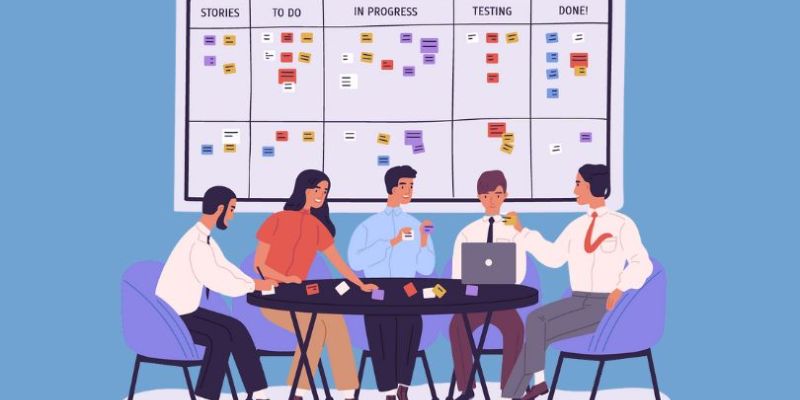
Scrum Masters can efficiently handle resistance with the use of a variety of tools and frameworks. For instance, agile boards reduce uncertainty by offering insight into tasks and progress. Retrospectives are an effective way to pinpoint problems and put solutions in place. Deeper issues behind resistance can be found with the aid of methods like root cause analysis. These are the roles and responsibilities of scrum. Teams can be guided through changes with the help of frameworks like change management models.
Feedback tools and surveys can reveal team opinion and problem areas. Metrics like velocity and burn-down charts can also be used to show the long-term advantages of Agile methods. These techniques enhance team effectiveness in addition to aiding in the management of resistance. Develop an organized strategy for resolving issues and promoting ongoing development by utilizing the appropriate tools.
Maintaining a Positive Mindset
Although overcoming obstacles can be difficult, success depends on keeping an optimistic outlook. Set the tone for the team as a Scrum Master. Be optimistic when facing obstacles and see them as chances to improve. Remain calm and refrain from taking defeats personally. Develop empathy by being aware of team members’ viewpoints and attentively handling their issues.
Additionally, it’s critical to continue developing yourself; solicit feedback and regularly modify your approach. By being resilient and optimistic. Team self-assurance and foster an atmosphere where change is welcomed rather than opposed.
Practical Tips for Continuous Improvement
Agile is centered on continuous improvement, which is essential to overcoming opposition. Urge your staff to evaluate their procedures on a regular basis and pinpoint areas that need improvement. Effectively use retrospectives to get input and make adjustments that can be put into practice. To keep momentum going, set reasonable targets and monitor your progress. Try out new methods and make adjustments based on the outcomes.
To foster learning and creativity, encourage team members to share their knowledge. Keep abreast on Agile best practices and apply them to your processes. Small, gradual improvements can result in major long-term results, so consistency is essential. May assist your team become more resilient and adaptive by cultivating a culture of continual improvement, which eventually lowers resistance.
What is next?
As a Scrum Master, overcoming opposition calls for a blend of communication, empathy, and strategic thinking. Establish a constructive and effective Agile workplace by comprehending the underlying causes of resistance, fostering trust, and leading your team through change. Keep in mind that resistance is a normal aspect of any change and should be handled carefully and patiently. Assist your team reach their maximum potential and transform obstacles into opportunities with the appropriate strategy. Grow more adept at handling opposition and promoting successful Agile adoption as you continue to hone your abilities.